
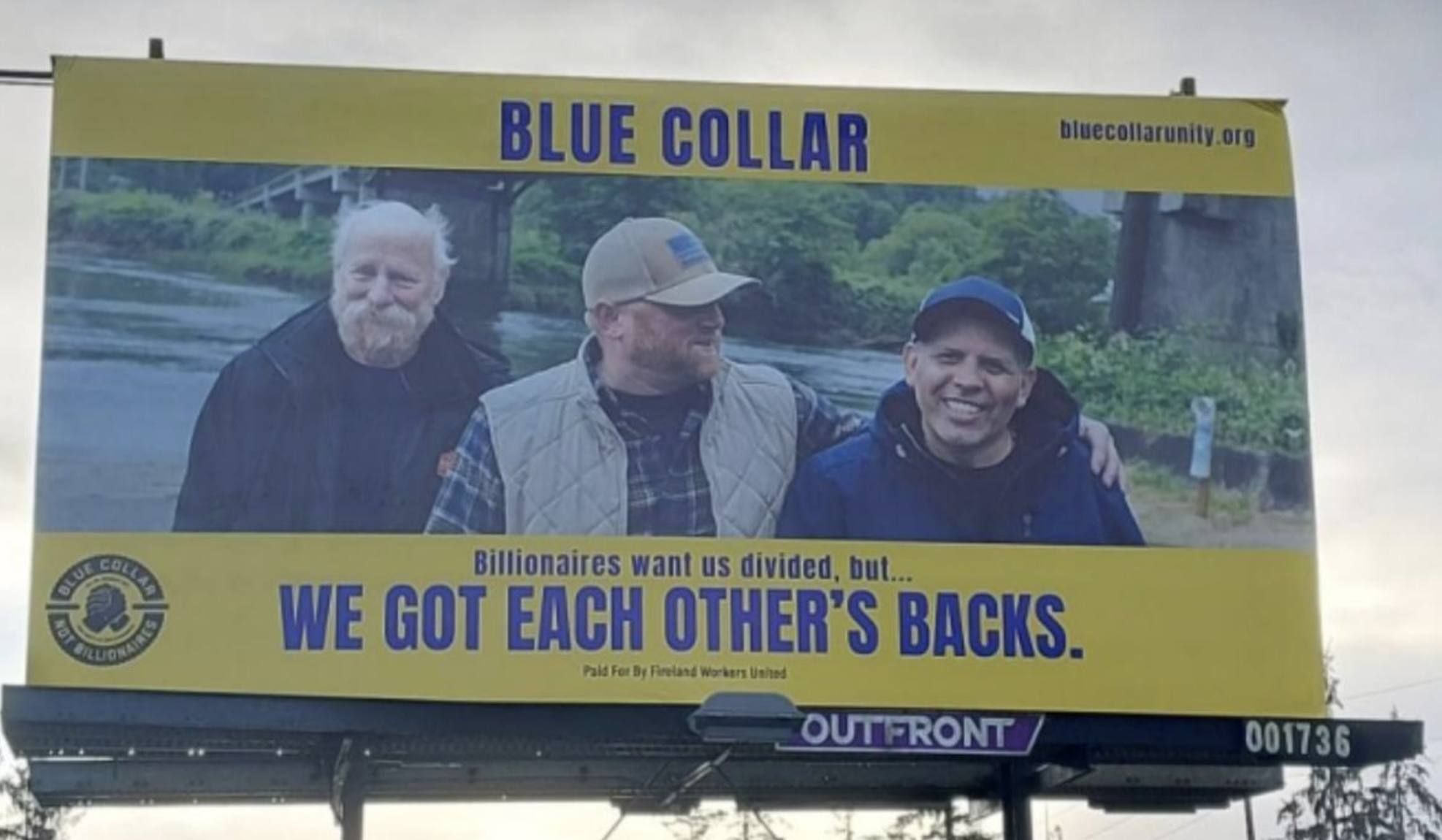
“Working people in our communities are finally hearing a story that belongs to us!” said Stina Janssen, Executive Director and co-founder of Firelands Workers Building Community Power, describing the success of the Rural Narrative Hub, which was launched by Firelands and developed through People’s Action Institute’s Rural Organizing Cohort.
In its first year, eight organizations working in seven states where People’s Action Institute members are building power have reached 4. 7 million rural, working-class people with messages rooted in local values, contexts and campaigns. And they’re just getting started!
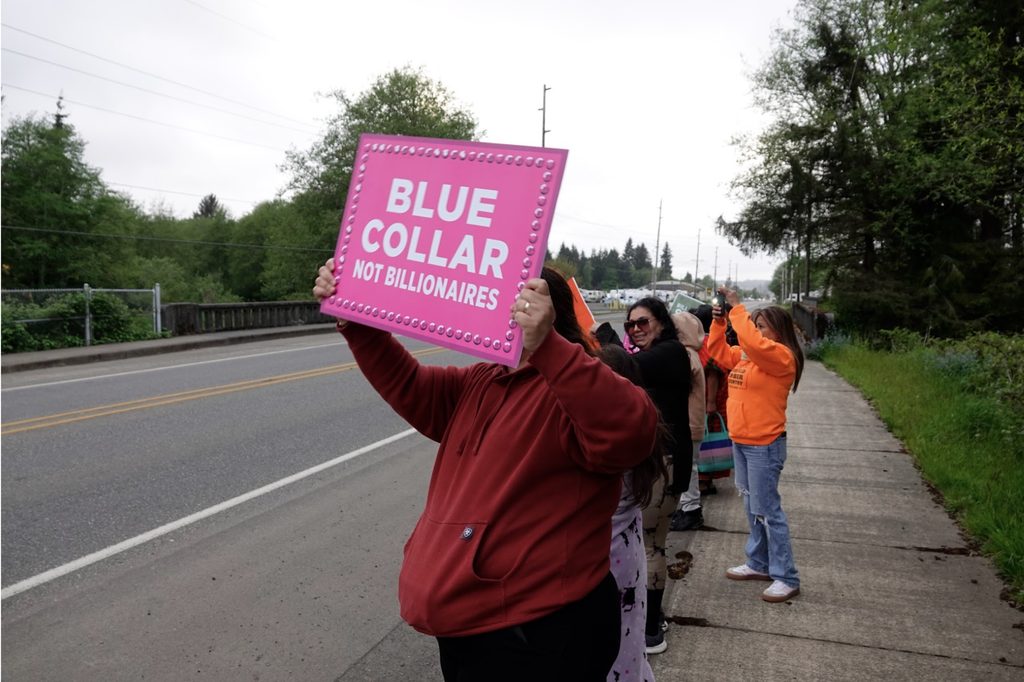
Rural America has become a news desert in recent years, with the collapse of local newspapers and community-run media. Many rural Americans now only receive news from partisan broadcast outlets owned by Fox News, CBS, or Sinclair Broadcasting, or from algorithm-driven, billionaire-owned social media platforms like X, TikTok, Facebook and Instagram, where messaging often seeks to divide, not unite, neighbors.
“Today, a mill worker in Washington and a retired veteran in Wisconsin are exposed to the same underlying narrative – stories peddled by extractive billionaire owners and corporations that pit working class people against each other while picking our pockets and trashing the land,” says Janssen.
None of this is news to Firelands, who had a plan: build on the winning strategy they developed in 2024 with Rural People’s Voice to defeat a millionaire-funded effort to roll back the state’s capital gains tax and Climate Commitment Act, which would have stripped away billions in funding from schools, climate defense and health care to line the pockets of the ultra-rich.
They were successful in this hyperlocal messaging campaign, which combined bilingual messaging on billboards in two counties with digital, radio and mailers to reach rural people where they live.
“We cut through the partisanship and won in rural and red parts of the state,” said Janssen. “We had an unapologetic, class-conscious message: Blue collar, not billionaires. That connected with working-class people’s frustrations with the cost of living and wealth inequality.”
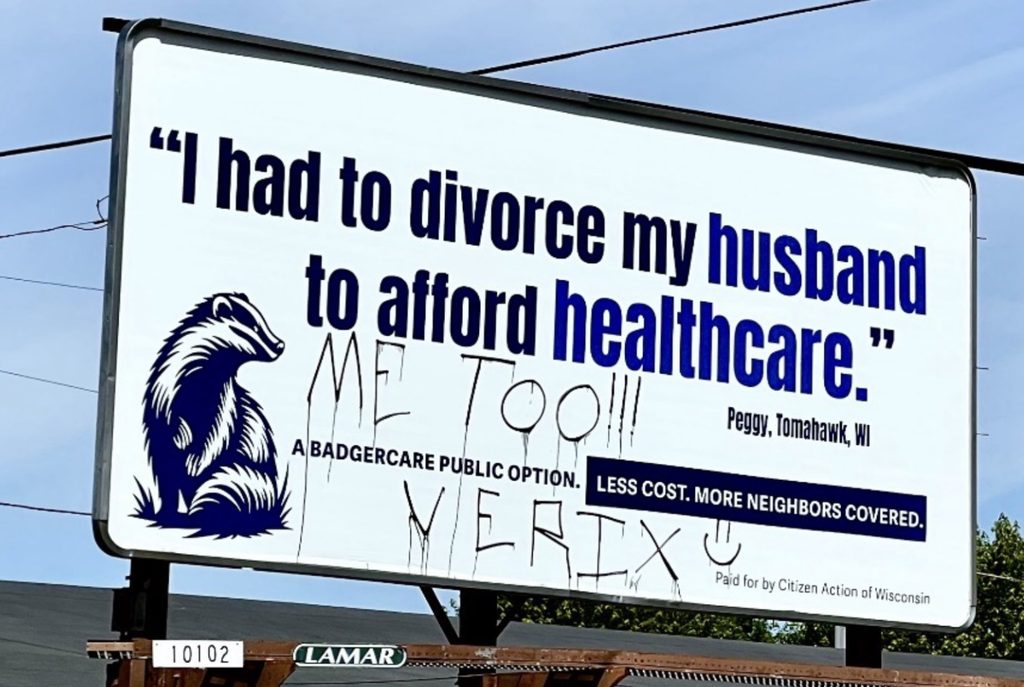
Starting in the spring of 2025, with support from Katie LeBlanc of Cornbread and Collards Consulting, they worked to expand, adapt and implement this strategy in partnership with People’s Action Institute’s affiliates and allies in seven states, including Firelands and the Rural People’s Platform in Washington State, Pennsylvania Stands Up Institute, Iowa Citizens for Community Improvement, Citizen Action of Wisconsin Education Fund, the Center for Health Progress in Colorado, We Are Down Home in North Carolina, and the Maine People’s Resource Center.
As the Rural Narrative Hub’s Coordinator, Katie worked with each organization to create a collaborative narrative and field campaign in their rural regions with a bright, bold message that resonated with working class voters across race and language, and spoke uniquely to their rural home.
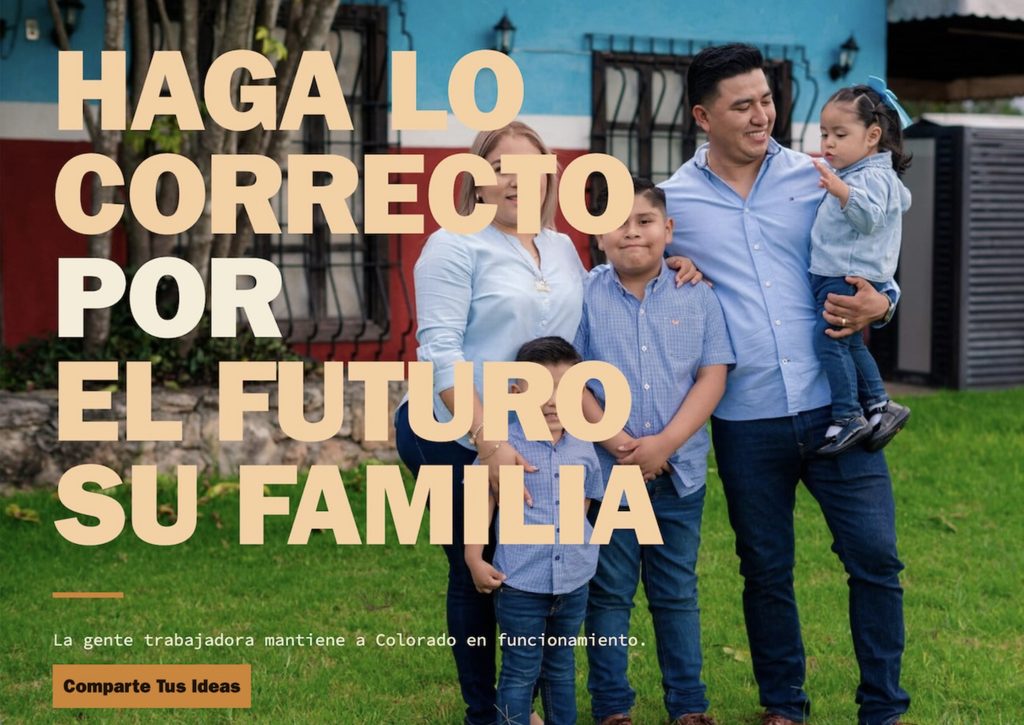
The Hub’s member organizations rolled out billboards, digital and print ads in community and supermarket newspapers, direct mail, and yard signs, just as Firelands had done in rural counties of Washington State. The Hub’s members reached a combined 4.7 million rural Americans across these seven states – that’s ninety percent of their target audience, and one in ten of all rural Americans – through more than 14. 7 million exposures.
The result is a growing national ecosystem of organizations across rural America which are capable of shaping public conversation, elevating rural voices, and building long-term power in rural communities across the country.
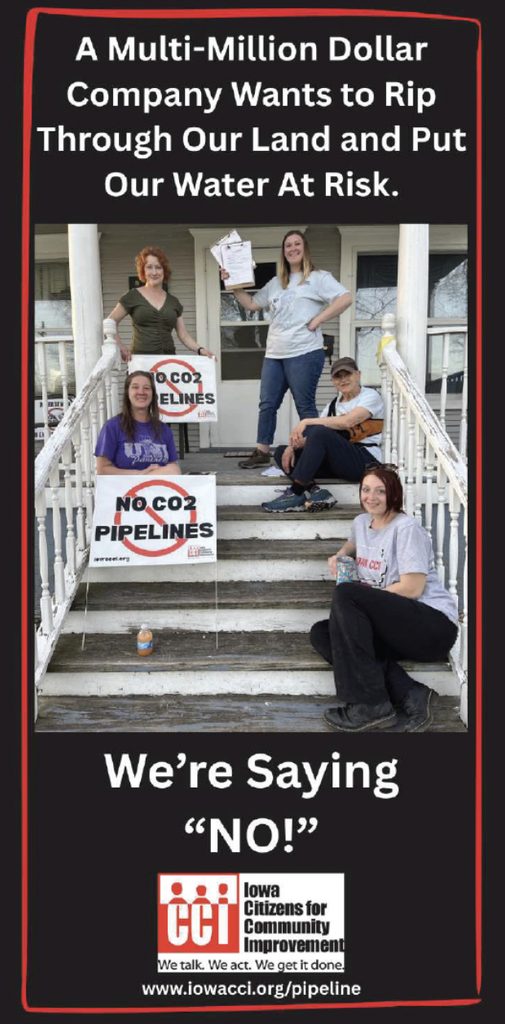
Highlights included Iowa, where Citizens for Community Improvement took on corporate polluters with a saturation campaign to reach target audiences in counties that would be impacted by a proposed CO2 pipeline. After radio and digital ads, yard signs and running ads in every community newspaper, they were able to block Summit Carbon Solutions from building the pipeline through eight counties.